
Exploring Darwin’s Footsteps: A 10-Day Itinerary for the Galapagos Islands invites readers into a realm of rich history and unparalleled biodiversity. From the iconic landscapes to the unique wildlife encounters, this journey promises an unforgettable experience filled with wonder and discovery.
Providing insights into the best times to visit, top attractions, and activities on each island, this guide ensures a seamless and enriching adventure through the Galapagos archipelago.
Overview of the Galapagos Islands
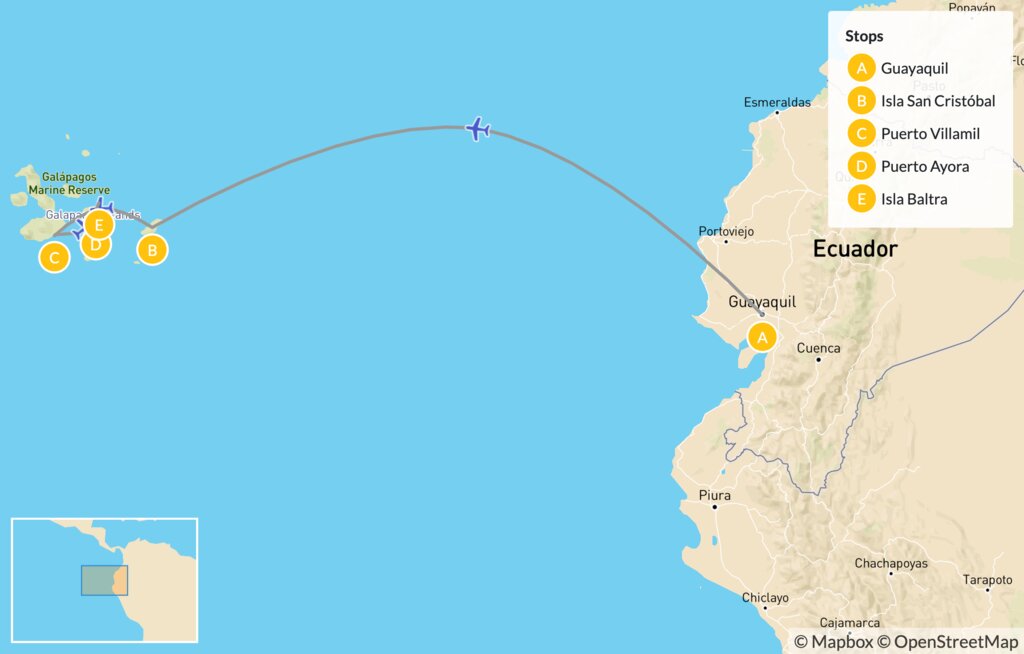 The Galapagos Islands, located in the Pacific Ocean, are an archipelago of volcanic islands known for their unique biodiversity and historical significance.
Brief History of the Galapagos Islands
The Galapagos Islands were discovered in 1535 by the Spanish navigator Fray Tomás de Berlanga. Throughout history, they served as a stopping point for whalers, pirates, and explorers. In 1835, Charles Darwin visited the islands during his voyage on the HMS Beagle, which eventually led to the development of his theory of evolution.Unique Biodiversity of the Galapagos
The Galapagos Islands are home to a diverse range of plant and animal species, many of which are endemic to the region. The isolation of the islands has led to the evolution of distinct species, such as the giant tortoises, marine iguanas, and blue-footed boobies.Significance in Relation to Charles Darwin's Theory of Evolution
Charles Darwin's observations of the unique species on the Galapagos Islands played a crucial role in the development of his theory of evolution by natural selection. The variations in the finches and tortoises he observed helped him understand how species adapt to their environments over time.Planning Your 10-Day Itinerary
When planning a 10-day itinerary for the Galapagos Islands, it's essential to consider the best time of year to visit, accommodations on the islands, and transportation options between the different islands.
Best Time to Visit
The best time to visit the Galapagos Islands is during the dry season, which runs from June to December. This period offers cooler temperatures, clearer skies, and an abundance of wildlife, making it ideal for exploring the islands.
Accommodations
- For a luxurious stay, consider options like the Finch Bay Galapagos Hotel or Pikaia Lodge.
- Mid-range accommodations include hotels like Red Mangrove Aventura Lodge or Galapagos Habitat.
- Budget-friendly options like Hostal La Posada del Sol or Hotel Espana provide comfortable stays without breaking the bank.
Transportation Options
There are several transportation options available for traveling between the islands in the Galapagos:
- Boat cruises: Ideal for exploring multiple islands, offering guided tours and opportunities to see diverse wildlife.
- Inter-island flights: Quick and convenient for hopping between islands, with regular flights operated by local airlines.
- Public ferries: A more budget-friendly option for island hopping, although schedules may be limited.
Day 1-2: Santa Cruz Island
On the first two days of your Galapagos Islands itinerary, you will explore the diverse and captivating Santa Cruz Island. Here, you will encounter unique wildlife, stunning landscapes, and plenty of opportunities for outdoor adventures.Must-Visit Attractions on Santa Cruz Island
- Charles Darwin Research Station: Learn about ongoing conservation efforts and see giant tortoises up close.
- Tortuga Bay: Relax on the white sandy beach or take a hike along the coastal trail to spot marine iguanas and birds.
- Los Gemelos: Explore the twin sinkholes formed by collapsed magma chambers, surrounded by lush vegetation.
Wildlife Encounters on Santa Cruz Island
Santa Cruz Island is home to a wide variety of wildlife species, making it a paradise for nature lovers and wildlife enthusiasts. Visitors can expect to see:
- Giant Tortoises: Observe these iconic creatures in their natural habitat and learn about conservation efforts to protect them.
- Blue-Footed Boobies: Watch these unique birds perform their famous mating dance along the coastline.
- Marine Iguanas: Spot these fascinating creatures basking in the sun or swimming in the crystal-clear waters.
Activities on Santa Cruz Island
There are plenty of activities to enjoy on Santa Cruz Island, catering to different interests and adventure levels:
- Hiking: Explore the highlands of Santa Cruz to discover lush forests, volcanic craters, and panoramic views of the island.
- Snorkeling: Dive into the pristine waters surrounding Santa Cruz to encounter colorful fish, sea turtles, and playful sea lions.
- Wildlife Watching: Embark on guided tours to observe wildlife up close, from giant tortoises to Galapagos penguins.
Day 3-4: Isabela Island
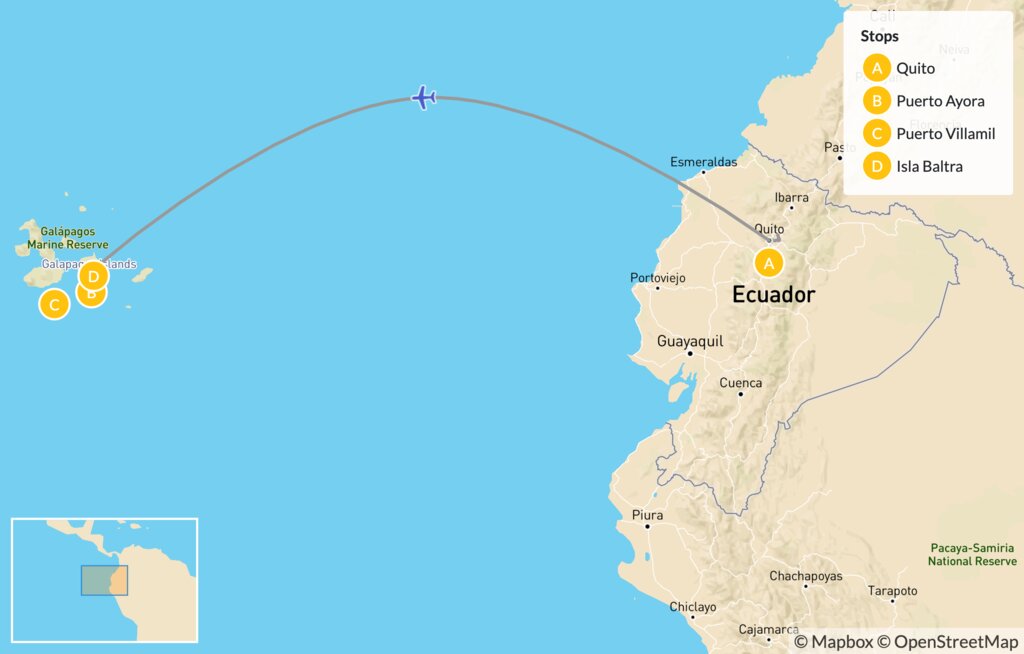 On days 3 and 4 of your Galapagos Islands itinerary, you will be exploring the largest island in the archipelago, Isabela Island. This island offers a unique blend of stunning landscapes, diverse wildlife, and fascinating geological features that are sure to captivate visitors.
Key Points of Interest on Isabela Island
- Visit the Sierra Negra Volcano, one of the most active volcanoes in the Galapagos, and hike to the rim for breathtaking views of the caldera.
- Explore the lava tunnels at the Wall of Tears, a historical site built by prisoners during the island's former penal colony.
- Snorkel or dive at Los Tuneles, a series of underwater tunnels and arches teeming with marine life, including sea turtles, sharks, and colorful fish.
Geological Features Unique to Isabela
Isabela Island is known for its unique geological formations, including:- The largest shield volcano in the Galapagos, Alcedo Volcano, which provides a habitat for giant tortoises.
- Mangrove forests and coastal lagoons that are home to flamingos, penguins, and other bird species.
- The uplifted coral reefs of Urbina Bay, where you can observe marine iguanas, sea lions, and Galapagos penguins.
Recommended Excursions on Isabela Island
- Take a boat tour to Las Tintoreras Islet to see white-tipped reef sharks basking in the sun and marine iguanas lounging on the rocks.
- Visit the Giant Tortoise Breeding Center to learn about conservation efforts and see baby tortoises up close.
- Relax on the pristine beaches of Playa del Amor or snorkel in the crystal-clear waters of Concha de Perla.
Day 5: Floreana Island
Floreana Island, also known as Charles Island, holds significant historical importance as one of the first islands in the Galapagos to be inhabited. It was visited by pirates, whalers, and buccaneers in the 18th and 19th centuries, and later became home to the first permanent settlers in the archipelago.Unique Wildlife Species
Floreana Island is home to a variety of unique wildlife species, including the Floreana mockingbird, which is endemic to the island. Visitors can also spot Galapagos penguins, green sea turtles, and marine iguanas along the coastlines. The island is a popular nesting site for sea turtles, providing a unique opportunity to witness these incredible creatures in their natural habitat.Cultural Experiences
Visitors to Floreana Island can engage in cultural experiences by visiting the historical sites of Post Office Bay and the Baroness Viewing Point. Post Office Bay is famous for its traditional wooden barrel mailbox, where visitors can leave postcards for others to hand-deliver, continuing a centuries-old tradition. The Baroness Viewing Point offers stunning panoramic views of the island and provides insight into the island's intriguing history.Day 6-7: Santiago Island
Santiago Island, also known as James Island, is one of the Galapagos Islands known for its unique volcanic landscapes and abundant marine life. Exploring this island offers visitors a chance to witness the raw beauty of nature and the fascinating underwater world surrounding it.Volcanic Landscapes of Santiago Island
Santiago Island showcases a stunning array of volcanic landscapes, including rugged lava fields, volcanic cones, and unique rock formations. Visitors can hike along lava trails and witness the stark beauty of the island's geology, shaped by centuries of volcanic activity.Popular Snorkeling or Diving Spots around Santiago
- Sullivan Bay: Known for its crystal-clear waters and diverse marine life, Sullivan Bay offers excellent snorkeling opportunities. Visitors can swim alongside colorful fish, sea turtles, and even playful sea lions. - Cousins Rock: This popular diving spot is teeming with marine biodiversity, including hammerhead sharks, rays, and schools of fish. Divers can explore underwater caves and rock formations while encountering unique species.Marine Life near Santiago Island
- The waters surrounding Santiago Island are home to a rich variety of marine species, including marine iguanas, Galapagos penguins, and fur seals. Snorkelers and divers can observe these fascinating creatures in their natural habitat, gaining a deeper appreciation for the biodiversity of the Galapagos Islands.Day 8-9: San Cristobal Island
San Cristobal Island, the easternmost island in the Galapagos archipelago, offers a unique mix of activities, conservation efforts, and local culture.
Activities on San Cristobal Island
San Cristobal Island provides various activities for visitors to enjoy, such as:
- Snorkeling at Kicker Rock, a famous spot for observing marine life including sharks, rays, and sea turtles.
- Visiting the Interpretation Center to learn about the natural history and conservation efforts in the Galapagos.
- Hiking to Frigatebird Hill to see magnificent frigatebirds and enjoy panoramic views of the island.
Conservation Efforts and Research Projects
San Cristobal Island is home to several conservation initiatives and research projects aimed at preserving the unique biodiversity of the Galapagos. Some of these efforts include:
- The Galapagos National Park works to protect native species and habitats through monitoring, research, and education programs.
- The Charles Darwin Research Station conducts scientific research and conservation projects to safeguard the flora and fauna of the islands.
Local Culture and Cuisine
The local culture of San Cristobal Island is a blend of Spanish, Ecuadorian, and indigenous influences, reflected in its music, art, and festivals. When it comes to cuisine, visitors can try traditional dishes such as ceviche, encocado (coconut seafood stew), and plantain-based meals.
Day 10: North Seymour Island
On the final day of your Galapagos adventure, make sure to visit North Seymour Island, known for its unique bird species and ecological significance.North Seymour Island is home to a variety of bird species, including the magnificent frigatebirds, blue-footed boobies, and swallow-tailed gulls. These birds showcase impressive mating rituals and displays, making it a paradise for birdwatchers and nature enthusiasts.Unique Bird Species on North Seymour
- The magnificent frigatebirds with their bright red throat pouches are a sight to behold as they attract mates during breeding season.
- The iconic blue-footed boobies perform their distinctive dance to attract mates, showcasing their vibrant blue feet.
- Swallow-tailed gulls, unique for being nocturnal seabirds, can be spotted on the island's rocky cliffs.
Tips for Birdwatching on the Island
- Bring binoculars to get a closer look at the bird species without disturbing their natural habitat.
- Stay quiet and patient to observe the birds in their natural behaviors, such as feeding, nesting, and courtship displays.
- Respect the rules and regulations of the Galapagos National Park to ensure the protection of the wildlife and environment.
Ecological Importance of North Seymour
North Seymour Island plays a crucial role in the Galapagos ecosystem by providing a breeding ground for various bird species. The island's rocky terrain and vegetation offer nesting sites and shelter for these birds, contributing to the biodiversity and balance of the archipelago. Protecting the habitat of North Seymour is essential for the preservation of these unique bird populations and the overall health of the Galapagos Islands.Summary
Embark on a transformative voyage through Darwin’s Footsteps: A 10-Day Itinerary for the Galapagos Islands and immerse yourself in the wonders of nature, history, and conservation. From captivating wildlife encounters to breathtaking landscapes, this journey leaves an indelible mark on all who venture through this evolutionary paradise.
FAQ Resource
When is the best time to visit the Galapagos Islands?
The best time to visit is during the dry season from June to December when the weather is cooler and wildlife is more active.
What are some transportation options for traveling between islands?
Travel between islands can be done by boat, cruise ships, or small aircraft for longer distances.
What unique bird species can be found on North Seymour Island?
North Seymour Island is home to blue-footed boobies, magnificent frigatebirds, and swallow-tailed gulls, among others.
Are there conservation efforts on San Cristobal Island?
Yes, San Cristobal Island is involved in various conservation projects to protect its unique ecosystems and wildlife.
What activities are available on Santa Cruz Island?
Visitors can enjoy hiking in the highlands, snorkeling at Tortuga Bay, and observing giant tortoises in the wild.