

Embark on a journey to explore the vital aspects of Galapagos Islands Conservation: What Every Responsible Traveler Should Know. Discover the unique biodiversity, conservation challenges, and the significance of preservation efforts in this captivating destination.
Overview of Galapagos Islands Conservation
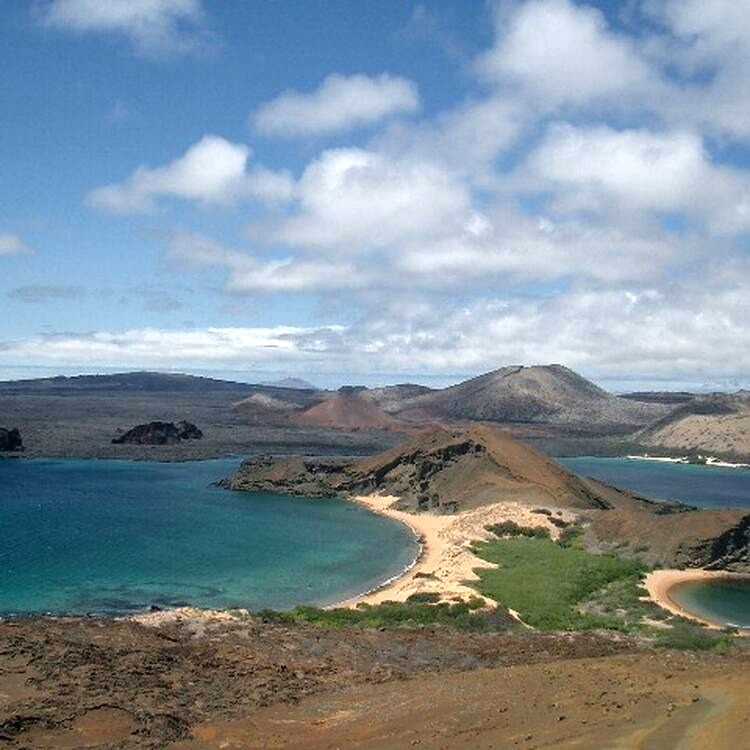 The Galapagos Islands are renowned for their unique biodiversity, where many plant and animal species are found nowhere else on Earth. This archipelago is home to fascinating wildlife, including giant tortoises, marine iguanas, and blue-footed boobies.
Conservation Challenges in the Galapagos Islands
- The introduction of invasive species poses a significant threat to the native flora and fauna of the Galapagos Islands. These invasive species outcompete native species for resources and disrupt the delicate balance of the ecosystem.
- Illegal fishing practices, such as overfishing and poaching, endanger marine species like sharks, sea lions, and sea turtles. These activities can lead to a decline in population numbers and disrupt the marine food chain.
- Climate change is another pressing issue affecting the Galapagos Islands. Rising sea temperatures and sea levels can impact marine life, while changes in weather patterns can affect the breeding and feeding habits of land animals.
Importance of Conservation Efforts
- Conservation efforts in the Galapagos Islands are crucial for preserving the unique biodiversity of this fragile ecosystem. By protecting native species and habitats, we can maintain the natural balance and ensure the survival of endemic species.
- Conservation also plays a key role in promoting sustainable tourism in the Galapagos Islands. By implementing responsible tourism practices and supporting conservation initiatives, visitors can contribute to the preservation of this natural wonder for future generations to enjoy.
Conservation Organizations in the Galapagos Islands
Several key organizations play a vital role in conservation efforts in the Galapagos Islands, working tirelessly to protect the unique environment and wildlife found in this region.
Galapagos Conservancy
The Galapagos Conservancy is one of the leading organizations dedicated to conservation in the Galapagos Islands. They focus on habitat restoration, invasive species management, and research to protect the biodiversity of the islands.
Charles Darwin Foundation
The Charles Darwin Foundation is another prominent organization involved in conservation efforts in the Galapagos Islands. They conduct scientific research, provide conservation education, and work to ensure sustainable development in the region.
Galapagos National Park Directorate
The Galapagos National Park Directorate is responsible for managing the protected areas of the Galapagos Islands. They enforce regulations, conduct monitoring programs, and collaborate with other organizations to conserve the unique ecosystems of the islands.
Threats to Conservation in the Galapagos Islands
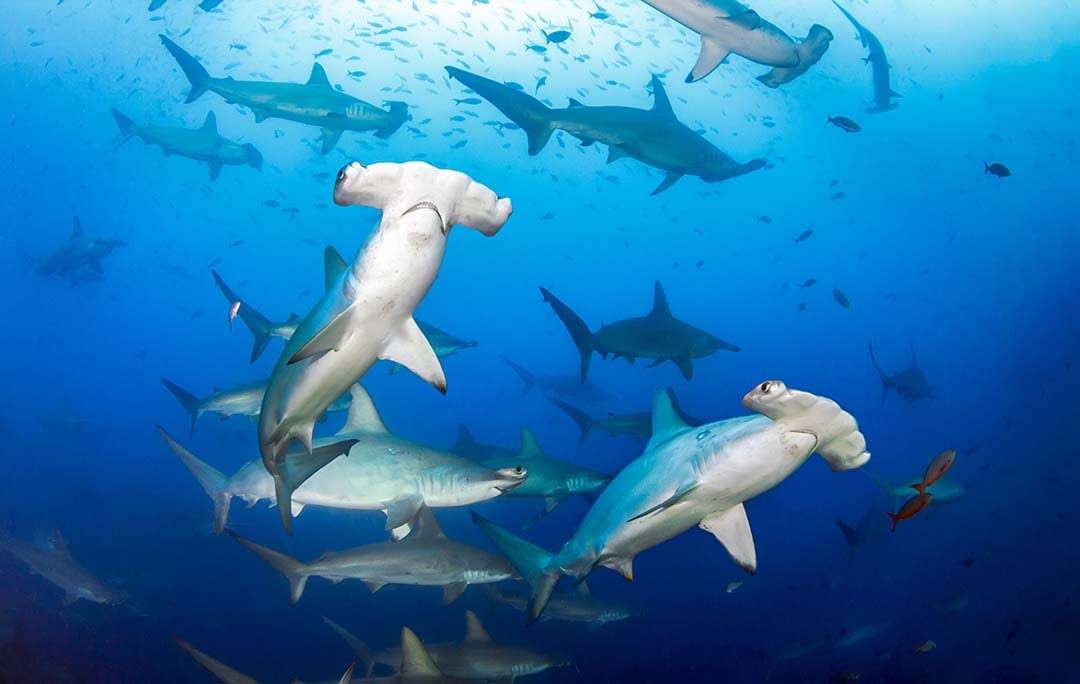
The Galapagos Islands face several threats to conservation that endanger the unique biodiversity of the region. These threats require urgent attention to protect the fragile ecosystems and species that call the islands home.
Tourism Impact on Ecosystem
Tourism, while vital for the economy of the Galapagos Islands, also poses a significant threat to conservation efforts. The increase in visitors can lead to habitat destruction, pollution, introduction of invasive species, and disruption of wildlife behavior. It is crucial to implement sustainable tourism practices to minimize these negative impacts and ensure the long-term preservation of the islands.
Effects of Climate Change
Climate change is another major threat to the conservation of the Galapagos Islands. Rising sea levels, ocean acidification, and extreme weather events can have devastating effects on the delicate ecosystems of the region. These changes can disrupt the natural balance, threaten species survival, and alter the biodiversity of the islands. Conservation efforts must include strategies to mitigate the impacts of climate change and protect the unique flora and fauna of the Galapagos Islands.
Responsible Travel Practices
When visiting the Galapagos Islands, it's essential for travelers to practice responsible and sustainable tourism to help protect the unique ecosystem of the islands.
Minimizing Environmental Impact
Here are some tips to minimize your environmental impact while exploring the Galapagos Islands:
- Avoid single-use plastics by bringing reusable water bottles and bags.
- Stick to marked trails and follow the guidelines provided by park rangers to protect the delicate flora and fauna.
- Respect wildlife by keeping a safe distance and never feeding or touching animals.
- Choose eco-friendly tour operators and accommodations that prioritize sustainability.
Supporting Conservation Efforts
Travelers can also support conservation efforts during their trip in the following ways:
- Participate in volunteer programs focused on conservation and restoration projects.
- Donate to local conservation organizations working to protect the Galapagos Islands.
- Learn about the unique ecosystem of the islands and spread awareness to others about the importance of conservation.
Last Point
As we conclude our discussion on Galapagos Islands Conservation, it's evident that responsible travel plays a crucial role in safeguarding this precious ecosystem. Let's continue to support conservation efforts and make a positive impact on this remarkable destination.
Essential Questionnaire
What are some guidelines for responsible travel in the Galapagos Islands?
Respect wildlife, follow designated paths, and avoid littering to minimize your impact on the environment.
How can travelers support conservation efforts during their trip?
Participate in eco-friendly tours, donate to local conservation organizations, and educate others about the importance of conservation.