
Exploring the ideal time to visit the Galapagos Islands for wildlife photography is a crucial aspect for capturing those perfect shots. This article delves into the nuances of timing, weather patterns, and wildlife opportunities, offering valuable insights for photography enthusiasts.
Best Time to Visit the Galapagos Islands
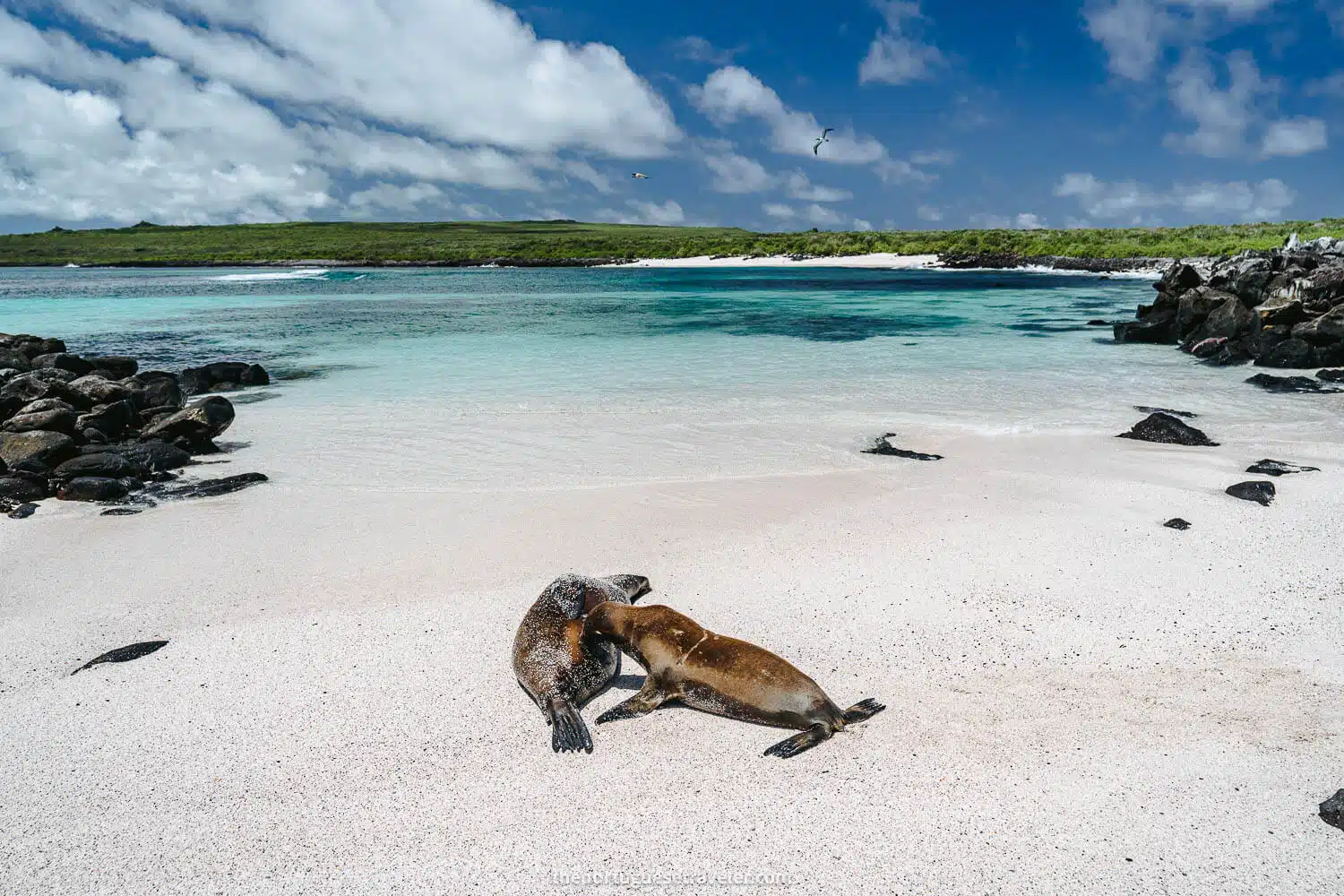
When planning a trip to the Galapagos Islands for wildlife photography, it is crucial to consider the best time to visit in order to maximize your opportunities for capturing stunning images of the unique fauna and flora that call the islands home.
High Season vs. Low Season
The Galapagos Islands experience two main seasons: the high season and the low season. The high season typically runs from mid-June to early September and from mid-December to mid-January. During this time, the islands are bustling with tourists, and prices for accommodations and tours tend to be higher. On the other hand, the low season, which falls between October and mid-December, as well as from January to May, sees fewer visitors and lower prices.
Weather Patterns Throughout the Year
The weather on the Galapagos Islands is influenced by the ocean currents and varies throughout the year. The warm season, from December to May, brings higher temperatures and occasional rainfall. This is also the time when the seas are calmer, making it ideal for underwater photography. The dry season, from June to November, is characterized by cooler temperatures and a garua mist that covers the islands. While this may limit visibility, it also provides a unique atmosphere for capturing moody and dramatic shots.
Impact on Wildlife Photography Opportunities
The timing of your visit to the Galapagos Islands can greatly affect the wildlife photography opportunities available to you. For example, if you are interested in capturing the mating rituals of blue-footed boobies or the courtship dances of waved albatrosses, visiting during the breeding season from April to June is ideal. On the other hand, if you want to witness the hatching of giant tortoise eggs, planning your trip between December and April is recommended.
Wildlife Photography Opportunities
When it comes to wildlife photography in the Galapagos Islands, you are in for a treat. The islands are home to a unique array of species that can't be found anywhere else on Earth. From giant tortoises to marine iguanas, the Galapagos offer a diverse range of subjects for your photography adventures.Unique Wildlife Species
The Galapagos Islands are famous for their iconic wildlife species, including the giant tortoises, marine iguanas, blue-footed boobies, Galapagos penguins, and waved albatrosses. These creatures have evolved in isolation, leading to unique characteristics that make them a fascinating subject for wildlife photography.Best Locations for Wildlife Photography
If you're looking to capture stunning wildlife shots in the Galapagos Islands, some of the best locations include Isabela Island, Fernandina Island, North Seymour Island, and Espanola Island. These islands offer different opportunities to photograph various species in their natural habitats, providing a diverse range of images for your portfolio.Tips for Ethical Wildlife Photography
When photographing wildlife in the Galapagos Islands, it's essential to prioritize the well-being of the animals and the environment. Here are some tips to help you approach wildlife photography ethically and respectfully:- Avoid disturbing or approaching wildlife too closely. Use telephoto lenses to capture intimate shots without intruding on their space.
- Respect the guidelines set by the Galapagos National Park authorities. These rules are in place to protect the animals and their habitats.
- Be patient and observe animal behavior before taking photos. This will help you anticipate movements and capture unique moments.
- Do not feed the animals or leave any traces of your visit behind. Maintain a minimal impact on the environment to preserve the natural beauty of the islands.
Weather and Lighting Conditions
Impact of Weather on Photography
Weather conditions like rain, fog, or strong winds can either enhance or hinder your photography experience. Rain can create unique reflections and add drama to your shots, while fog can create a mystical atmosphere. However, strong winds can make it challenging to keep your camera steady and capture sharp images.
Importance of Lighting in Wildlife Photography
Lighting is one of the most important factors in wildlife photography as it can make or break a shot. The soft, golden light during sunrise and sunset, known as the golden hour, can add warmth and depth to your photos. Harsh midday sun, on the other hand, can create harsh shadows and overexposed areas.
Varying Lighting Conditions with Seasons
During the dry season (June to December), the lighting is generally softer and more diffused, making it ideal for capturing vibrant colors and details. In contrast, the wet season (January to May) can bring heavier cloud cover and more challenging lighting conditions.
Capturing Unique Shots in Different Weather Conditions
Embrace the changing weather conditions and use them to your advantage. Experiment with long exposures during rain showers, capture the misty atmosphere during foggy mornings, and look for interesting reflections after a downpour. Adapt your shooting techniques to the weather to create unique and compelling wildlife photos.
Packing Essentials for Wildlife Photography
When embarking on a wildlife photography adventure in the Galapagos Islands, it is crucial to pack the right gear to ensure you capture stunning images of the unique fauna and flora found in this archipelago.Protective gear is essential for both you and your equipment, as the Galapagos Islands can be unpredictable in terms of weather conditions and terrain. Investing in a sturdy camera bag that is water-resistant and provides ample padding for your gear is a must. Additionally, consider bringing a rain cover for your camera to shield it from unexpected downpours.Essential Gear and Equipment
- Camera body and multiple lenses for versatility in capturing different wildlife subjects
- Tripod for stabilizing your shots, especially in low light conditions
- Spare batteries and memory cards to ensure you never miss a shot
- Sunscreen, hat, and sunglasses to protect yourself from the strong equatorial sun
Protective Gear Importance
- Protective gear safeguards your equipment from the elements, ensuring it functions properly throughout your trip.
- Protecting yourself from the sun and other environmental factors allows you to focus on capturing the perfect shot without discomfort.
Packing Tips
- Opt for lightweight, versatile clothing that can be layered for varying weather conditions.
- Pack only the essentials to minimize weight and maximize mobility while navigating through the diverse landscapes of the Galapagos Islands.
- Consider investing in a compact, travel-friendly camera backpack that can easily fit on boats and during hikes.
End of Discussion
In conclusion, understanding the best time to visit the Galapagos Islands for wildlife photography can greatly enhance your experience and photographic results. Plan your trip wisely to make the most of this unique opportunity to capture stunning wildlife moments.
Quick FAQs
When is the best time to visit the Galapagos Islands for wildlife photography?
The best time is during the dry season from June to December when wildlife is more active.
What kind of wildlife species can I expect to see on the Galapagos Islands?
You can expect to see unique species like giant tortoises, marine iguanas, blue-footed boobies, and Galapagos penguins.
How should I approach wildlife photography ethically?
Respect the animals' space, avoid disturbing them, and always follow park regulations for wildlife photography.